
Uncovering the truth behind gambling myths and misconceptions
The Illusion of Luck in Gambling
One of the most pervasive myths surrounding gambling is the belief that luck plays a significant role in the outcome of games. While it’s true that chance is a factor, many players overlook the importance of strategy and skill in various forms of gambling. For instance, in games like poker, understanding odds and employing psychological tactics can greatly influence success. In this context, considering options like pokies online real money can also help players maximize their chances of winning. This misconception leads many to rely solely on luck, causing them to overlook the potential benefits of developing their skills.
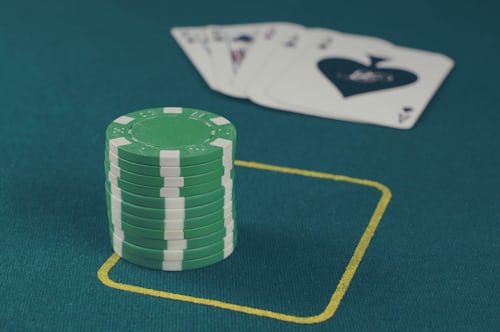
This myth can be particularly damaging, as it fosters an unrealistic expectation of wins. Players who believe in luck alone may not take the time to learn the intricacies of the games they play, resulting in losses that could have been mitigated through better decision-making. This highlights the importance of approaching gambling with a balanced perspective, recognizing both the role of chance and the necessity for strategy.
The Gambler’s Fallacy Explained
The gambler’s fallacy is a common misconception where players believe that past outcomes influence future results in games of chance. For example, someone might think that if a coin lands on heads multiple times in a row, tails is “due” to occur. This fallacy can lead to misguided betting strategies and can significantly affect a player’s bankroll over time.
Understanding that each event in gambling is independent can help players make more rational choices. Recognizing that probabilities do not change based on previous outcomes is crucial for effective risk management. Educating oneself about these concepts can lead to a more informed and responsible gambling experience.
Myth of the “Hot” and “Cold” Machines
Many players believe that slot machines have “hot” and “cold” streaks, suggesting that a machine can be more likely to pay out based on its recent performance. This misconception can lead to players spending more time on certain machines, hoping to catch a winning streak. However, each spin is random and independent of previous outcomes, thanks to Random Number Generator technology.
This belief can also result in players making emotional decisions about when to stop playing. A player may feel compelled to continue playing a “cold” machine in hopes that it will eventually pay out, potentially leading to increased losses. Understanding the randomness of slot machines helps players manage their expectations and encourages them to set limits based on their bankroll rather than misguided beliefs.
The Misunderstanding of Casino Advantages
Many newcomers to gambling assume that casinos are designed solely to take their money, overlooking the nuances of how odds work. While it’s true that the house always has an edge, many games offer better odds than others. For instance, blackjack can have a lower house edge when played with optimal strategy, while games like keno tend to have worse odds.
This misconception can deter players from exploring various gambling options that may provide better opportunities for wins. By understanding the math behind different games and the house edge involved, players can make smarter choices and find entertainment that aligns with their risk tolerance and financial goals.
Informed Gambling Choices and Resources
As the world of gambling evolves, so do the resources available to players. It is essential to rely on credible sources that provide accurate information about games, strategies, and responsible gambling practices. By educating oneself and understanding the myths versus realities of gambling, players can make more informed choices and enhance their overall experience.
The importance of seeking out responsible gambling resources cannot be overstated. Websites dedicated to educating players about the intricacies of gambling help demystify common misconceptions. Such platforms also promote a healthy relationship with gambling, ensuring that players approach it as a form of entertainment rather than a means to an end.