
Understanding the psychological triggers that drive gambling behaviors in casinos
The allure of risk and reward
The thrill of gambling often stems from the psychological interplay between risk and reward. When individuals step into a casino, they are immediately drawn by the possibility of winning substantial amounts of money. This anticipation creates a rush of adrenaline, activating the brain’s reward system. The excitement of potentially transforming a small bet into a significant payout can be intoxicating, leading many to repeatedly engage in gambling behaviors. In addition, some people may explore sports betting as another lucrative avenue for excitement.

Moreover, the concept of “near misses” plays a crucial role in reinforcing these gambling behaviors. When players experience a close call, such as spinning nearly identical symbols on a slot machine, their brains interpret this as a signal that victory is imminent. This cognitive distortion can foster a persistent desire to continue playing, despite the actual odds of winning being slim. The combination of hope and excitement can ultimately lead individuals to gamble more than they originally intended.
The influence of social environments
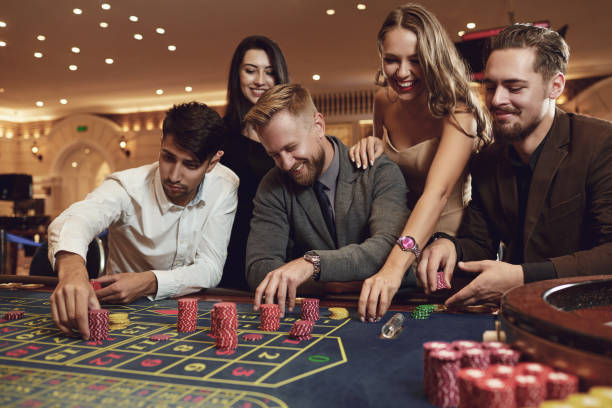
The social dynamics of a casino environment can significantly impact an individual’s gambling behavior. Many people find themselves drawn to the communal aspects of gaming, where cheers, celebrations, and camaraderie enhance the overall experience. This social engagement can create a sense of belonging and excitement, encouraging players to participate more actively in gambling activities.
Additionally, peer pressure can also act as a powerful motivator. When individuals observe friends or fellow gamblers enjoying themselves, they may feel compelled to join in, even if they initially had reservations about gambling. The shared experience can amplify feelings of pleasure and excitement, leading to longer gambling sessions and increased spending.
The role of cognitive biases
Cognitive biases, such as the illusion of control and confirmation bias, play a significant role in shaping gambling behaviors. Many gamblers believe they can influence outcomes through skill or strategy, leading to overconfidence in their ability to win. This illusion of control often results in players making riskier bets or pursuing losses in hopes of eventually securing a win.
Confirmation bias further exacerbates this behavior, as individuals tend to focus on instances where their predictions were correct while ignoring instances of failure. This selective memory reinforces the belief that they possess a winning strategy, perpetuating the cycle of gambling despite the inherent risks involved.
The impact of marketing and design
The design of casinos and marketing strategies significantly influence gambling behavior. Casinos are meticulously designed to create an environment that encourages prolonged play. The absence of clocks, the use of bright lights, and the strategic placement of games are all intentional choices aimed at keeping players engaged and disoriented about the passage of time.
Furthermore, marketing tactics, such as promotions and loyalty programs, appeal to the human desire for rewards and recognition. These strategies can create a sense of urgency and competition among players, prompting them to gamble more in hopes of achieving status or exclusive benefits. Such marketing efforts exploit psychological triggers that can lead to increased gambling activity.
Commitment to responsible gambling
Understanding the psychological triggers that drive gambling behaviors is essential for promoting responsible gambling. Our platform is dedicated to providing resources and support for individuals seeking to maintain a healthy relationship with gambling. By raising awareness about the psychological factors at play, we aim to empower users to make informed choices.
Our commitment extends to creating a safe online environment where users can explore gambling options while prioritizing their well-being. We provide insights into responsible gaming practices, helping players recognize when it’s time to step back and seek help if needed. Your safety and enjoyment are at the forefront of our mission, ensuring a positive experience for all.